


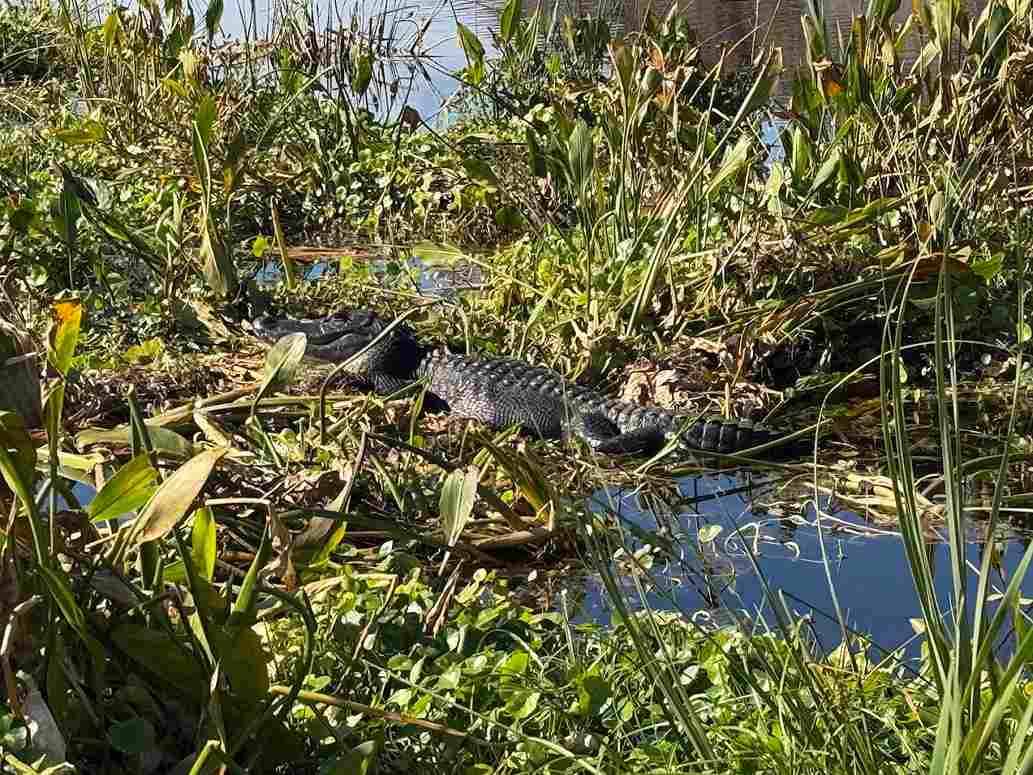
There is no safe or recommended distance for approaching wild alligators in Florida. Visitors should keep a respectful distance and never feed or disturb alligators. If you want a closer look, choose a guided wildlife tour. Experienced guides follow Florida safety regulations while allowing guests to observe alligators responsibly.
Key Takeaways
- Maintain a safe distance from wild alligators in Florida at all times.
- Do not ever get close to a Florida alligator or feed it.
- Airboat tours provide a regulated opportunity to watch animals.
- Follow the directions of the park officials and expert tour guides.
- View wildlife in a way that is safe for the visitors and for wildlife conservation.
Up Close and Personal: Experiencing Alligators in Florida on Airboat Tours
Guided alligator tours are one of the safest ways to see Florida alligators. Airboats operate in shallow marshes and wetlands, with passengers kept inside the boat. Guides know where to find alligators without disturbing their habitat.
Approaching ponds or canals without a guide can expose people to avoidable dangers. Airboat tours reduce the risk by keeping a safe viewing distance. Visitors can view wildlife and learn about Florida’s ecosystems. They also gain insight into wetland protection and animal behavior. Companies like Swamp Fever Airboat Adventures offer educational wildlife experiences. They focus on wildlife safety and responsible observation.
How Near Can You Safely Get to a Gator in Florida?
There is no specific legal viewing distance for every situation. However, wildlife officials recommend observing Florida alligators from a safe distance. The size, location, and temperament of the animal all play a role in how far a safe distance is.
General safety practices are:
- Keep at least a few yards away when you can.
- Don’t try to feed or touch an alligator.
- Keep youngsters and dogs away from the edge of the water.
- If an alligator approaches you, run away immediately.
The Florida Fish and Wildlife Conservation Commission shares wildlife safety tips.
The Safer Way To See Wildlife: Airboat Tours
Professional airboat tours minimize wildlife disruption. Airboats access shallow wetlands, offering unique views of nature. The benefits of guided tours are:
- Knowledgeable captains who understand wildlife behavior.
- Safe pathways through protected wetlands.
- Commentary on ecosystem education.
- Wildlife photo ops from the boat.
Visitors can find out more about guided trips to see alligators before they go.
Never Feed Wild Alligators
Feeding alligators changes their behavior and links people with food. This increases risks and may require wildlife control actions. The National Park Service warns that feeding wildlife removes their fear of people. Alligators live in lakes, marshes, and canals. Responsible visitors should never toss food into them. A respectful distance protects people, wildlife, and natural behaviors.
What Should You Do If You See An Alligator?
Alligators generally will avoid humans if left alone. If you find one in the wild, keep cool and give it space. Do not approach it for photographs or urge it to move. When you encounter an alligator, calmly retreat and leave the location. Follow wildlife signs and stay in designated viewing areas. The U.S. Fish and Wildlife Service promotes habitat protection and natural behaviors.
Seasonal Activity of Florida Alligators
Florida alligators are active year-round, with behavior changing by season and temperature. In warmer months, they bask near shorelines and move through wetlands. Breeding season occurs in late spring, making alligators more territorial.
Visitors should avoid nests and baby alligators during the breeding season. Adult females are protective and may stick around. Guests can take guided airboat tours to see wildlife. Experienced operators adjust routes based on seasonal conditions. They also consider known wildlife activity.
How to Enjoy Wildlife Responsibly
Responsible wildlife watching protects both animals and visitors. Whether exploring wetlands alone or joining an alligator tour, follow safety guidelines. Stay in designated areas, follow guides, and protect habitats. These actions protect wetlands and wildlife for future visitors.
Frequently Asked Questions
1. How close can you approach alligators in Florida?
Keep a safe distance from wild alligators at all times. No specific minimum distance exists, but getting too close to an alligator is unsafe. Guided tours offer safer viewing.
2. Are alligator tours safe?
Licensed alligator tours keep visitors safe while showcasing wildlife.
3. What is attractive about airboat trips for wildlife watching?
Airboat tours traverse shallow marshes that regular boats can’t access easily. You can see the wetlands and wildlife while you’re still in the boat.
4. Can you feed alligators in Florida?
No. Feeding alligators is illegal because it encourages dangerous human interactions.
5. Can alligators live outside of swamps?
Yes. Florida alligators live in lakes, rivers, marshes, and wetlands.
