


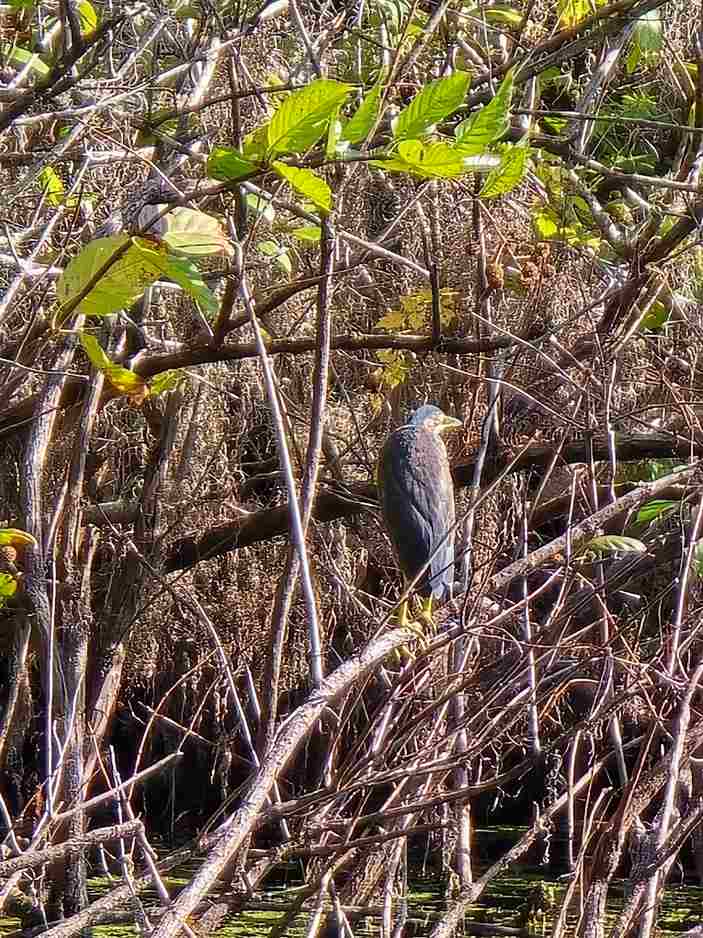
Wetlands are home to many resident and migratory bird species. You might spot rare birds on swamp trips. Birdwatching, swamp tours, and Florida wildlife tours pass through bird habitats. They include feeding and nesting areas. Airboat rides enable people to get to shallow marsh areas where birds are often seen.
Key Takeaways
- Birdwatching swamp trips take you to marshes where uncommon and migratory birds live.
- On Florida wildlife trips, you can see wading birds, raptors, and seasonal species.
- Airboat tours visit shallow marshes and cypress areas where birds congregate.
- Swamps provide different ecosystems that birds can live in all year.
- During tours, guides help people find birds and talk about where they live.
Birdwatching on Airboat Tours: Florida’s Feathered Wildlife
Airboat birdwatching trips focus on wetland birds in Florida’s swamps and marshes. People who go on birdwatching swamp tours see both common and rare species. These tours pass through areas where birds hunt, nest, and migrate.
Many Florida wildlife tours often spot wading birds and raptors. Wetlands provide them with abundant food. Airboats cruise gently through marshes. They give people a chance to see birds resting under trees or feeding in shallow water.
Birds that are often observed during trips are:
- Big blue herons
- Egrets in the snow
- Roseate spoonbills
- Storks made of wood
- Ospreys
Seasonally, migrating or rare birds may also appear. Many birdwatchers use guides to identify species.
Why Do Rare Birds Like Swamps?
Wetlands provide birds with food, shelter, and nesting sites. This is why they are drawn to swamps. Shallow water, aquatic vegetation, and tall trees create homes for birds. They support both year-round and seasonal species. There are many environmental reasons why marshes draw birds:
- A lot of fish and amphibians to eat
- Dense plants for nesting
- Trees for shelter and resting
- Flooding that happens at certain times of the year helps aquatic life
Birds that migrate typically stop in wetlands to eat and rest on long trips. Short trips increase the chance of spotting rare animals on Florida wildlife tours.
This review of wetland wildlife talks about how marsh habitats and birds interact. It also has more information about how wetlands help bird populations.
What Uncommon Birds You Might See on Swamp Tours
Some rare birds on swamp excursions are migratory species. Others prefer hard-to-reach wetland areas. The types of birds you see on swamp trips depend on the time of year. Location also affects which species may appear. Some birds that might show up are:
- Swallow-tailed kite
- Purple gallinule
- Limpkin
- Night heron with a black crown
- Anhinga
You can spot these birds soaring, eating, or resting near plants in the marsh. When tours go through places with little disturbance, the chances of seeing things go up. This article explains bird migration across North America and their movement patterns.
How Airboat Rides Make Birdwatching Easier
Airboat rides make it easier to see birds because they can go into shallow marshes that other boats can’t. This skill lets tours go to faraway places where birds flock to eat and build their nests. Airboats have flat hulls and high propellers that let them maneuver through:
- Areas with marsh grass
- Channels of shallow water
- Forests that are flooded
- Mud flats
Because of this design, airboat rides on Florida wildlife excursions can approach marshes. This allows closer viewing of the wildlife there. These areas often have large numbers of birds.
Some operators, like Swamp Fever Airboat Adventures, offer airboat rides.These rides pass through marshes and cypress swamps. Passengers can see many different kinds of birds.
Frequently Asked Questions
1. Do swamp trips always have unusual birds?
There is no assurance of rare birds. Florida wildlife excursions go through active wetlands. This increases the chance of spotting resident and migratory species.
2. When is the greatest time to go on a swamp tour to see birds?
The ideal times for bird watching are early morning and late afternoon. Many birds feed and move during these periods.
3. Do airboats scare birds away?
Responsible drivers slow down when they are near locations where animals live. If airboats stay a safe distance away, many birds stay in the region.
4. Can those who are new to bird watching go on swamp tours?
Yes, guides usually help identify bird species and their habitats. This makes trips easier for beginners.
5. What should guests bring?
Swamp tour-goers often bring binoculars, zoom cameras, sunscreen, and light clothing.
