


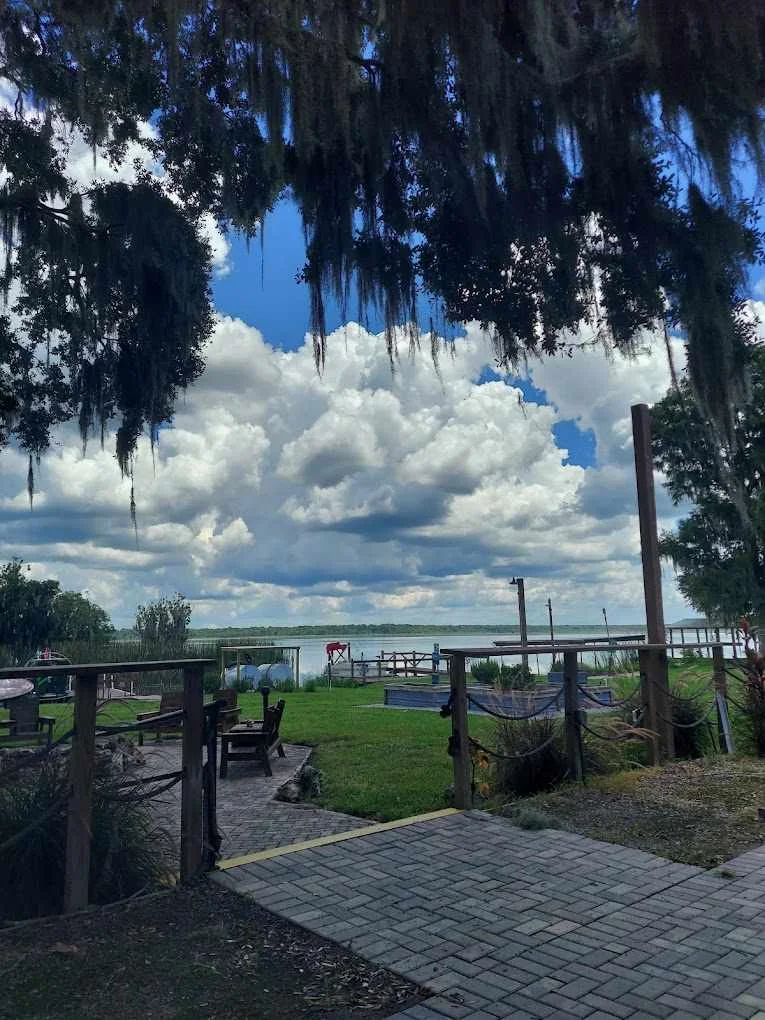
Airboat trips operate in fragile wetlands with minimal ecological impact. Eco-friendly airboat techniques focus on low-impact travel and wildlife protection. They also emphasize managed access to marsh ecosystems. These practices let people enjoy natural areas. They also reduce stress on habitats and species.
Key Takeaways:
- Shallow-water navigation strategies may lessen the ecological damage of airboat tours.
- Eco excursions of the swamp focus on wildlife viewing without disturbing the environment.
- Airboat rides sometimes employ efficient propulsion systems to reduce pollutants.
- Florida guidelines for eco-tours advocate wetland and mangrove conservation.
- Responsible operators act in accordance with environmental requirements for protected areas.
Eco-Friendly Airboat Tours: Exploring Florida Without Harming Nature
Eco-friendly airboat operations are designed to reduce wetland impact by limiting shoreline erosion. They also manage speed in vulnerable areas. They are often used in eco-friendly swamp trips in Florida’s rivers and marshes. Biodiversity protection is a priority in these areas. Guidance on wetland preservation is available through environmental research materials. These include wetland conservation guidelines.
Fuel Efficiency & Emission Controls
Modern recreational airboats use propulsion and engine technologies. These improve fuel efficiency and reduce pollution. In protected wetlands, this reduces the environmental impact of airboat tours.
Florida Licensing Requirements
Florida’s regulations set rules for vessel speed, routes, and wildlife interaction limits. These criteria help to build sustainable tours Florida, balancing tourism with conservation. Swamp Fever Airboat Adventures is known for following environmental rules.
Visitor Awareness and Environmental Education
Operators brief guests on wetlands, wildlife, and conservation rules before trips. This links visitor behavior to protecting fragile marsh ecology.
Environmental Benefits Summary
Benefits of eco-friendly airboat operation include decreased shoreline damage and regulated habitat access. It also improves wildlife conservation outcomes. These results are consistent with several eco-friendly swamp tours in Florida wetland systems.
Energy Efficiency and Ship Design
Airboats use flat-bottom hulls and raised propulsion for shallow-water agility. These design features reduce the need for deep-water propulsion. They also encourage conservation-minded navigation habits.
Operational efficiency reduces environmental disturbances by lowering fuel use and mechanical wear. It also decreases maintenance-related impacts over time. This helps ensure the long-term sustainability of eco-friendly swamp tours. It also supports prudent management techniques for airboat rides.
Measures to Protect Habitat
Designated airboat routes avoid nesting areas as a habitat conservation measure. They also protect sensitive plants. Operators follow environmental monitoring protocols to maintain the long-term preservation of wetland habitats. Habitat protection includes seasonal route changes based on wildlife mating cycles.
These approaches are consistent with conservation goals that encourage eco-friendly swamp tour enterprises. Airboat rides are not going over ecological thresholds thanks to monitoring initiatives.
Managing Visitors and Controlling Capacity
Visitor systems limit passengers per tour to reduce environmental pressure. This strategy helps balance tourism demand. It also supports ecological preservation objectives.
Noise Reduction and Wildlife Impact Management
Airboat operators use noise reduction methods, including mufflers and engine upgrades. These strategies can help limit disturbance to wildlife in sensitive marsh habitats.
Comparison to traditional boat trips
Airboat operations use shallow draft systems. These systems minimize bottom disturbance compared to regular motorboat tours. This matters in wetlands because sediment disturbance can affect aquatic plants.
Monitoring and Research Collaboration for the Environment
Many airboat providers work with researchers to assess ecosystem health. Data from excursions helps assess wetland conservation effectiveness.
Policy Compliance and Enforcement
Airboat laws are enforced by state agencies in protected wetland areas. Compliance ensures licensed operators meet environmental criteria. It also helps keep eco-friendly swamp tours sustainable. Enforcement includes periodic boat inspections. These inspections ensure compliance with safety and environmental regulations. Non-compliance can lead to sanctions that encourage sustainable tourist practices.
Climate and Emissions Issues
Airboat emissions impact local air quality differently from conventional watercraft. Better engine efficiency contributes to reducing greenhouse gas emissions in tourism activities. Climate considerations include assessing tourism’s cumulative carbon impact in wetlands. Airboat operators may embrace cleaner fuel technologies to minimize pollution further.
These improvements support Florida’s sustainable tourism development goals.
Balance of Conservation and Economy
Eco-friendly airboat tourism boosts local businesses and maintains conservation goals in wetland regions. Revenue from sustainable tours in Florida may fund environmental protection.
Frequently Asked Questions
1. Why are Airboat Tours Environmentally Friendly?
Habitat disruption is reduced via shallow-water navigation, limited speeds, and regulated routes.
2. Do airboat tours hurt wildlife?
When properly regulated, airboat cruises keep a safe distance from wildlife. They also steer clear of nesting grounds.
3. How do Florida sustainable travel operators minimize their impact?
They follow environmental laws, use efficient engines, and limit access to vulnerable ecosystems.
4. Are Eco-Friendly Swamp Tours Better For Emissions?
Yes, they use improved engines and controlled routes. This helps reduce fuel consumption and emissions in wetlands.
