


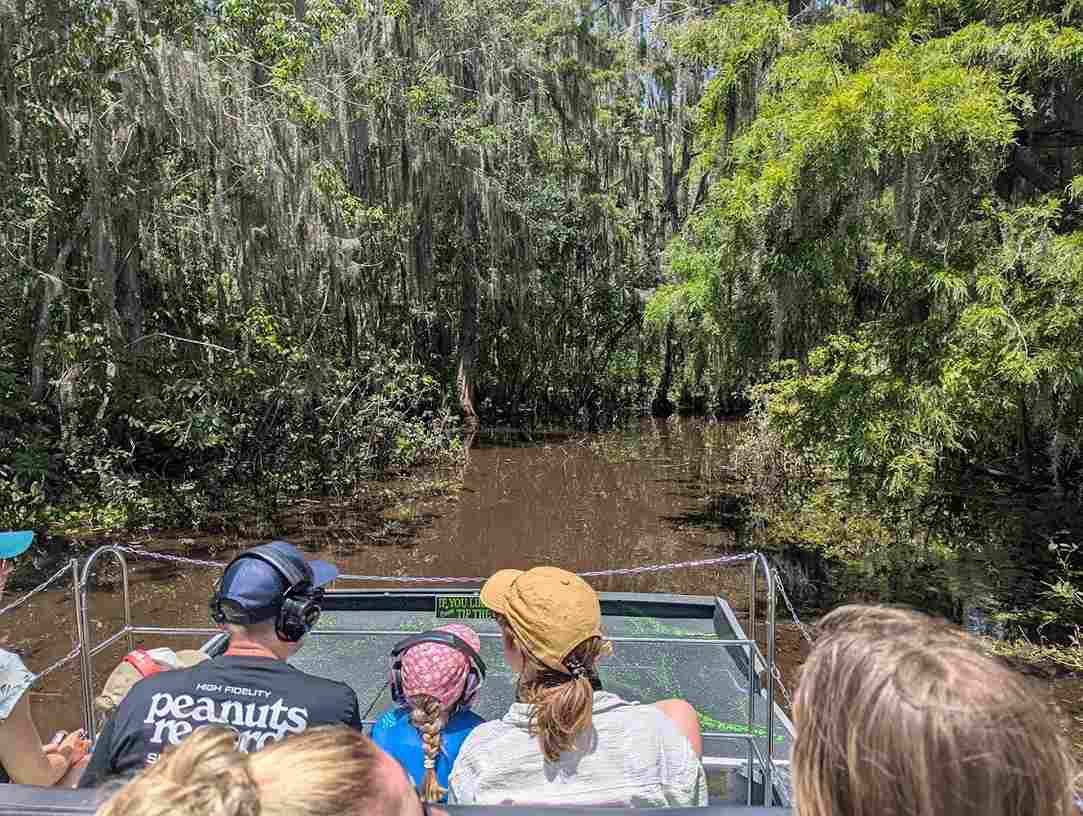
Airboat guides use experience, environmental observation, and navigation gear. They also rely on local knowledge to find hidden waterways. They navigate marshes, bogs, and small wetlands unreachable by regular boats. They understand how river levels change and how plants and animals move. They also know how to navigate trips through remote, hard-to-access areas.
Key Takeaways
- Airboat guides are trained in the local wetlands and navigation experience.
- Hidden channels are identified by water depth, vegetation, and wildlife activity. They also appear in secret swamp tours.
- GPS systems and landmarks enable safe navigation in wetland areas.
- Swamp pathways and navigable streams are affected by changes in seasons.
- Guided airboat rides take you places that most boats can’t reach.
Exploring Hidden Florida Waterways on Airboat Tours
Florida wetlands have narrow, flooded paths that are hard to navigate without experience. Airboat guides understand these routes over the years of working in the same place. Airboats use flat-bottomed hulls to move through shallow wetlands. They are powered by propulsion systems mounted above the water.
Guides seek subtle environmental clues to find safe paths. These include breaches in foliage, river flow, submerged tree lines, and wildlife activity. Flood, drought, or rain may wash out hidden waterways. Many Florida tours run through marshes, rivers, lakes, and cypress swamps. These paths are regularly used on gator tours and wildlife trips.
How Airboat Guides Read Wetlands Terrain
Wetland navigation requires finding natural markers. Airboat commanders often analyze topographical patterns before visiting distant places. Swamp conditions change constantly, so judging safe water depth is essential.
Guides usually observe:
- Grasslands and reed beds
- Tree spacing close to shallow channels
- Color and clarity of water
- Direction and flow patterns of the current
Experienced captains also memorize routes used at different seasons. In the wet months, more paths may open through the flooded marshes. During dry times, certain streams become choked with vegetation or mud flats. Wetlands constantly change due to water, plant growth, and seasonal weather. These environmental changes have implications for navigation routes.
GPS and Local Knowledge
Airboat tours of the wetlands are now permitted to utilize GPS to guide a course. Local knowledge is still one of the most significant navigation aids. Many of these concealed streams are too narrow or impermanent to be shown on ordinary maps.
Guides blend technology with observation. They usually use:
- Coordinates (GPS)
- Elevation maps
- Visual signifiers
- Knowledge of the historical routes
Swamp captains navigate Florida wetlands using natural landmarks instead of signs or buoys. Dense forests and wildlife habitats are hard to navigate without local knowledge.
Wildlife Activity Aids in Finding Waterways
You can observe wildlife movement to identify active channels. Birds, fish, turtles, and alligators are commonly found in swamp waters. Airboat captains frequently observe these patterns while traveling.
Birds may fly over open channels, and fish move through gaps in vegetation. Alligators follow paths in shallow marshes. Animal tracks on muddy banks show trails that stay open year-round. Guided swamp and educational tours explain these wildlife behaviors. Gator tours also cover gator activity and safe wildlife viewing.
How Airboats Reach Hidden Places
Airboats are designed to operate in shallow water. And they don’t use underwater propellers as the old boats do. This allows them to glide across marshes, wetlands, and mudflats with minimal resistance.
Main aspects of the airboat are:
- Hulls with flat bottoms
- High propeller systems
- Light-weight construction
- Shallow draft operation capability
These features let guides reach hidden swamp canals for tourism and research. This information shows how these watercraft work well in marshes with high vegetation. Their shape makes airboats popular for wildlife viewing, wetland work, and swamp expeditions.
Seasonal Changes Affecting Hidden Waterways
Hidden streams often change over the course of the year. Swamp pathways are continually changing due to storms, water levels, and plant development. Airboat guides alter navigation paths according to environmental circumstances.
During wet seasons, temporary channels may be formed in flooded marshes. During dry seasons, grass can block previously open paths. Guides must constantly monitor conditions for passenger safety. Wetlands are dynamic ecosystems shaped by rainfall, flooding, and drainage.
Experienced operators like Swamp Fever Airboat Adventures continuously monitor and adjust their routes. They also use personal observation to navigate Florida’s ever-changing marshes safely.
Frequently Asked Questions
1. How do airboat pilots locate secret waterways?
Guides learn routes through years of experience and repeated marsh trips.
2. Do airboat guides use GPS?
Many operators use GPS, but marshes still require local expertise and visual navigation.
3. How do airboats move through shallow wetlands?
Airboats have flat bottoms and above-water propellers for moving through shallow, vegetated water.
4. Are underground streams safe to tour?
Licensed guides adjust routes based on water and weather conditions.
