


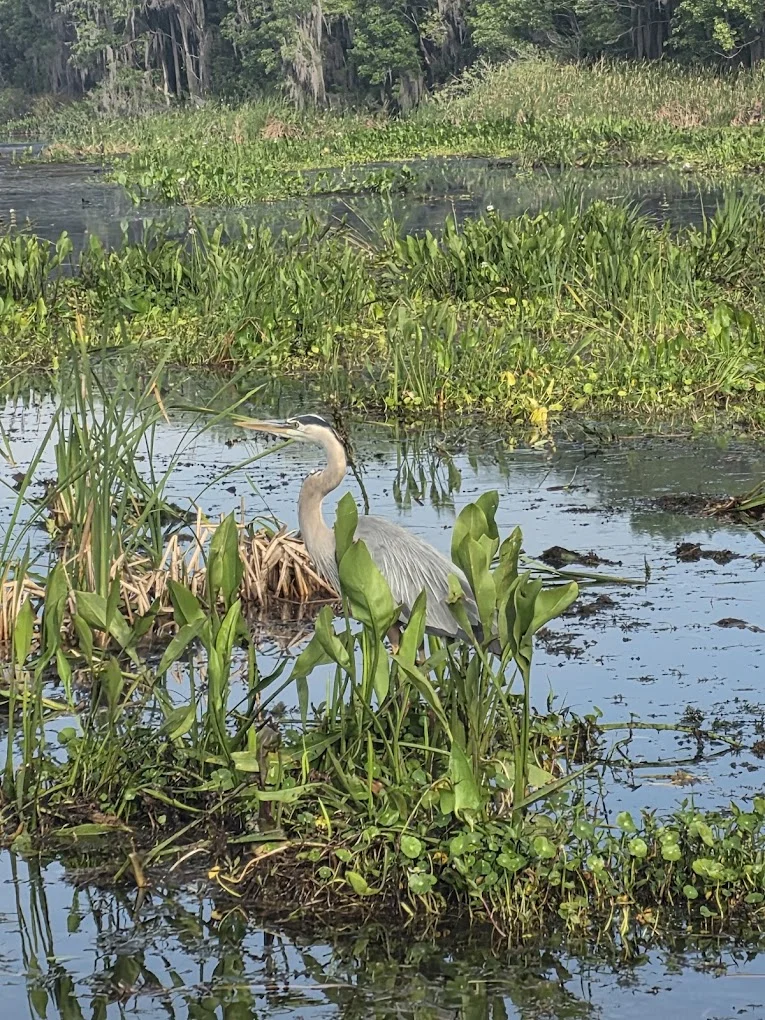
The Florida swamp ecosystem is home to many creatures, not just alligators. These ecosystems sustain birds, mammals, reptiles, amphibians, fish, and insects. They depend on wetlands for food, shelter, and breeding. Guided tours are a more structured way to watch these animals in their natural habitat. This allows visitors to learn animal behavior while minimizing environmental disturbance.
Key Points
- Wetlands are habitats for many species, including birds, mammals, reptiles, amphibians, and insects.
- Predator-prey relationships across habitats help maintain the swamp’s ecological balance.
- The fauna you see on Florida wildlife tours depends on the time of year and water level.
- Protected areas conserve species variety and habitat stability.
- Professional guides operate in regulated ecosystems.
Beyond Alligators: Other Wildlife You’ll See on a Swamp Tour
Many species share the habitat with alligators in Florida’s wetland environments. One of the most conspicuous categories is birdlife. This is especially true in shallow seas where feeding activity is frequent.
Common Species of Swamp Birds
Swamp ecosystems support a wide variety of bird species. These birds depend on wetland habitats for feeding, nesting, and migration stopovers. These areas are rich in food sources like fish, frogs, insects, and small aquatic animals. This makes them ideal hunting grounds for both wading birds and birds of prey. In larger, healthier wetlands, biodiversity increases, and even top predators can be observed.
Common swamp birds include:
- Herons: Tall wading birds that patiently hunt fish and amphibians in shallow waters.
- Egrets: Elegant white birds seen in marshes hunting small aquatic prey.
- Ibis: Curved-billed birds that probe mud and shallow water for food.
- Ospreys: Fish-eating raptors that dive into water to catch prey with sharp talons.
- Bald Eagles: Powerful raptors in large wetlands that hunt fish or scavenge near water.
These species are commonly highlighted in Florida wildlife excursions. Guided tours let visitors observe their natural behaviors in marsh and swamp environments.
Mammals of Wetland Ecosystems
Swamp mammals include white-tailed deer, raccoons, and river otters. Animals travel around and find food using waterways. Nutria and bobcats are also found in some areas. Mammals help maintain ecological balance by limiting prey species. They also interact with plant and water systems.
Reptiles Not Crocodiles
Softshell and snapping turtles are often seen on logs or in shallow water. These reptiles are key markers of the health of wetland ecosystems. Gator tours settings also include non-venomous creatures like water snakes. They help manage fish and amphibian populations.
Water Creatures and Insects
Swamp insects include mosquitoes, water striders, and dragonflies. Their existence is an indicator of water quality and ecological health. Wetland waters are home to fish like catfish and gar. They also support amphibians like frogs and salamanders in the aquatic food chain. These organisms are vital components of swamp tour biodiversity.
- Insects: mosquitoes, water striders, dragonflies
- Fish: catfish, gar
- Amphibians: frogs, salamanders
- Ecological role: indicators of water quality and ecosystem health
Together, these species help maintain the balance and productivity of swamp ecosystems.
The Role of Guided Tours
Swamp experiences controlled access to wetland environments for wildlife observation. Swamp Fever Airboat Adventures operates in approved areas for responsible, low-impact wildlife viewing. The guided pathways let you see birds, animals, reptiles, and aquatic life. They also follow environmental protection requirements.
Safety and Wildlife Viewing Guidelines
Avoid getting close to or disturbing wildlife in wetland habitats. Keeping a distance helps animals behave naturally. It also reduces stress on the species. Designated viewing areas and guided paths protect visitors and wildlife. Feeding or touching animals is not allowed in protected wetland regions.
Significance of Swamp Ecosystems to the Environment
Wetlands act as natural filters for water and offer flood control benefits. They also provide breeding and feeding areas for many different animals. Research on wetland ecosystems shows they host a variety of species. They also support climate stability through carbon storage and water management.
Frequently Asked Questions
1. What are some of the common animals that are found in wetland areas?
Swamp areas support birds, mammals, reptiles, amphibians, fish, and insects. Support depends on each species’ ecological requirements.
2. Will we definitely see animals on each tour?
Swamp tours wildlife sightings vary with season, weather, and water levels.
3. What are the most prevalent birds in Florida’s wetlands?
Herons, egrets, ibis, and raptors are found in abundance in wetlands.
4. Do mammals exist in swamp environments?
Yes, wildlife, including raccoons, otters, and deer, are regularly present.
5. Besides alligators, do you have any other reptiles?
Swamp habitats are commonly seen to contain turtles and non-venomous snakes.
