


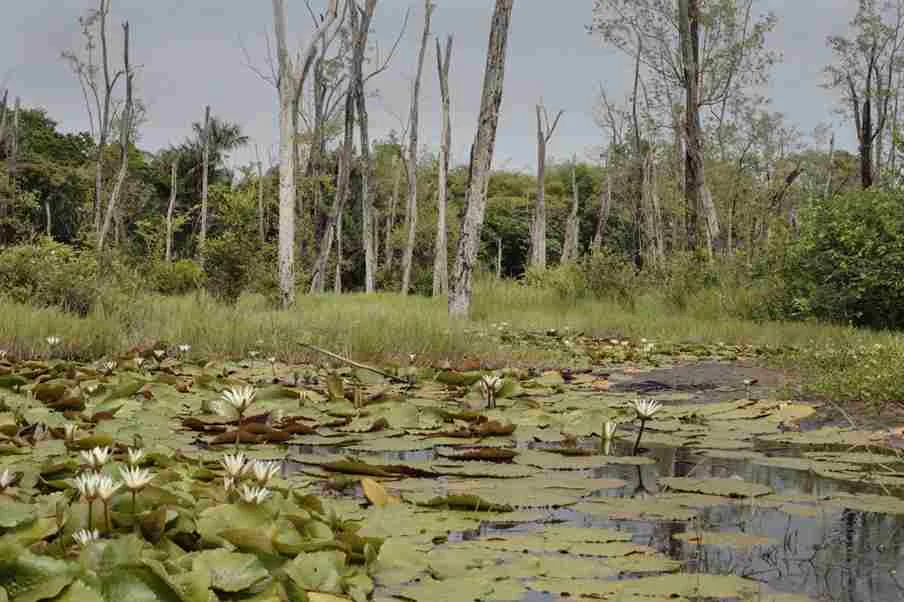
There are a thousand reasons why swamps are one of the fascinating places to visit and explore. One interesting fact is that swamps are neither a landform nor a water form because they are a mixture of both. Swamps are lands that are almost always filled or submerged in water. They can also have started out as water forms like shallow ponds or lakes that later were filled with different trees, shrubs and other plants.
A lot of different animals and life forms flourish in swamps. Indulge yourself in the facts about swamps, and for sure, you’ll be planning your swamp tour after this quick read.
Types of Swamps
Swamps exist almost everywhere in the world except in Antarctica. They can be found in different sizes and places with different climates. Swamps can either be freshwater or saltwater swamp. They are usually named after the trees dominantly growing in the area or named after the place they are found.
Freshwater Swamp
Freshwater swamps can be found or form near or around lakes, ponds or streams. Rainwater or flooding can also help form this type of swamp. Over time, water-tolerant plants begin to grow there. And since plants can provide food and shelter, different animals can also be seen in freshwater swamps.
Plants in Freshwater Swamps
Swamps in the United States are commonly dominated with tupelo and cypress trees, among others. In the trees, other forms of plants also grow like moss, ferns, etc. Bushes and shrubs can also grow underneath the trees.
Animals in Freshwater Swamps
Animals living in swamps have adapted to the water level fluctuations in their habitat. The lush greens in the freshwater swamps provide an excellent shelter and nesting place for different bird species. The root systems of trees and the same lush green underwater also provide the same benefits to a wide variety of fishes and amphibians. Alligators and other reptiles are also residents of the swamps.
Saltwater Swamps
Saltwater swamps are formed when flats of mud and sand are covered with seawater during high tides.
Plants in Saltwater Swamps
Plants that can withstand saltwater and tidal flooding, like mangrove trees, flourish in this type of swamp. Growth and decay of mangrove trees and their roots add up to the saltwater swamp’s accumulated soil. The tall and thin roots of mangrove trees anchor the sand and other sediments to prevent erosion during flooding.
Animals in Saltwater Swamps
Tons of fallen leaves from mangrove trees start a great food web. Decaying mangrove leaves provide food and nutrients to small invertebrates and some algae. They, in turn, become food to other animals like birds, crabs, fishes, etc. Animal droppings help keep the swamp soils nutrient-rich in return.
Saltwater swamps are often called “the nurseries of the ocean” because of how they provide food and shelter to a lot of different marine animals. Different saltwater animals come to the swamps to lay their eggs or spawn there. The swamp, with all the grasses and tree roots, offers some protection to the young ones after hatching. It also provides them food until such time that they mature or become ready to swim or go back to their natural habitat.
Why Swamps are Important
Much of what you know about the life around you is based on learnings or applications of learnings from different studies and research. The beautiful and dynamic biodiversity of the swamp ecosystem makes them an excellent subject for such studies. Scientists believe there is still more to learn from how everything works in a swamp ecosystem. Some of the known importance of swamps are listed below.
Swamps Act as Earth’s Giant Sponges
Just like sponges, the flood or excess water from heavy rains is absorbed by the swamps. They also serve as reservoirs that moderate the effects of flooding. They also protect coastlines from being washed away during storm surges by anchoring both the soil and sand.
Swamps Act as Earth’s Natural Water Treatment Plant
Swamps can filter wastes from the water and naturally purify them. Nitrogen and other chemicals from human activities that get washed away into swamps are absorbed and used by the plants. Agriculture, factories and homes are big contributors to the wastes that the swamps try to filter. Chemicals that were not absorbed by the plants gradually sink down the sand and other sediments.
Swamps as Fuel Source
Plants that have died millions of years ago in old swamps can provide fossil fuel. Plant matter that hardens over time forms coals that can be used as fuel sources.
Famous Swamps Around the World
Wherever you are, there may be a swamp near you. You can go explore it first or check out the list of famous swamps around the world and add them to your trip and adventure bucket list.
The Okavango Delta in Botswana
Did you know that this swamp is part of the UNESCO World Heritage Site and Seven Natural Wonders of Africa? This swamp was originally a dry area before it became a swamp due to seasonal rains in Botswana. The Okavango Delta is filled with a beautiful range of wildlife like lions, elephants, hyenas and some rhino, to name a few. Tourism here is limited by the government to preserve the pristine ecology of the place. If you want to see this swamp, you should save up for it because accommodations are limited to luxury camps and lodges.
The Pantanal in Brazil
The Pantanal is the largest swamp in the world, extending from Brazil all the way to Paraguay. If you want a nature tour here, be ready to meet crocodile’s smaller relative, the caimans and the biggest rodent in the world, the capybaras. If you get lucky, you might also get a glimpse of animals like jaguars and giant river otters.
The Asmat Swamp in Indonesia
The Asmat swamp is named after the people living in the area. It is a combination of saltwater and freshwater swamp. Different mangrove species grow in the muddy saltwater swamp, while palm trees and tall grasses grow in the freshwater side of the swamp. This swamp remains to be a remote area with only a few tours in operation. If you plan to go there, some tours offer close encounters with the Asmat people and their culture.
Learn More About Swamps in Florida
If you want to know more about the swamps in Florida, join our tours at Swamp Fever Airboat Adventures. We have professional tour guides that can take you to the best areas. Reach out to us and let’s book your tour right away.
